
Training Cones | Small Sports Cones | Small Training Cones
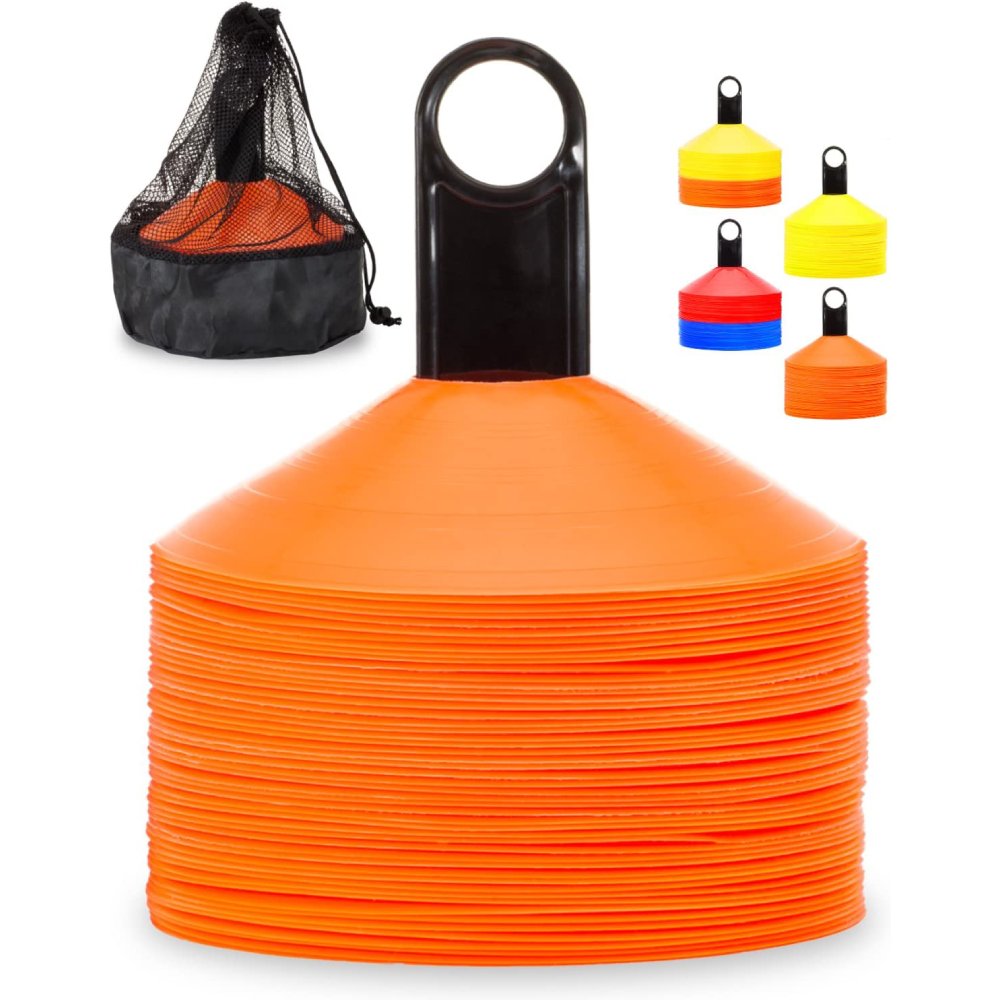
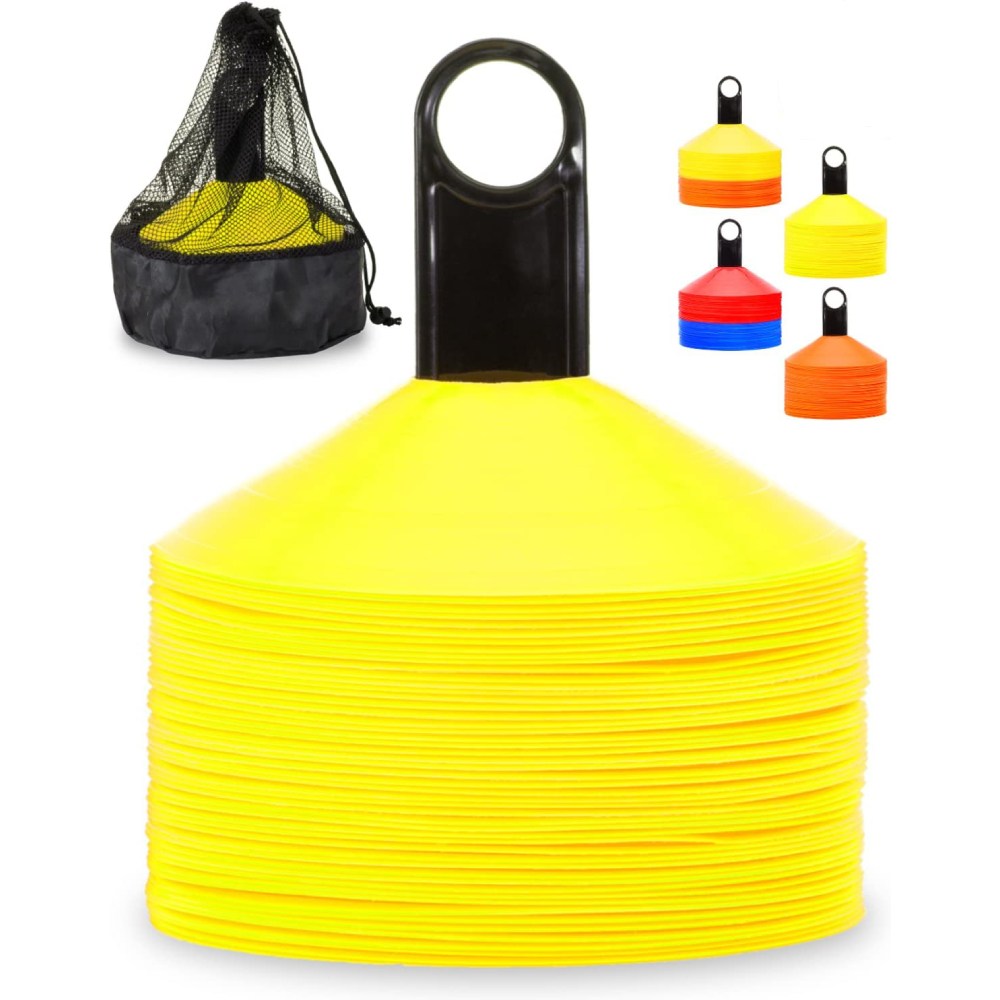
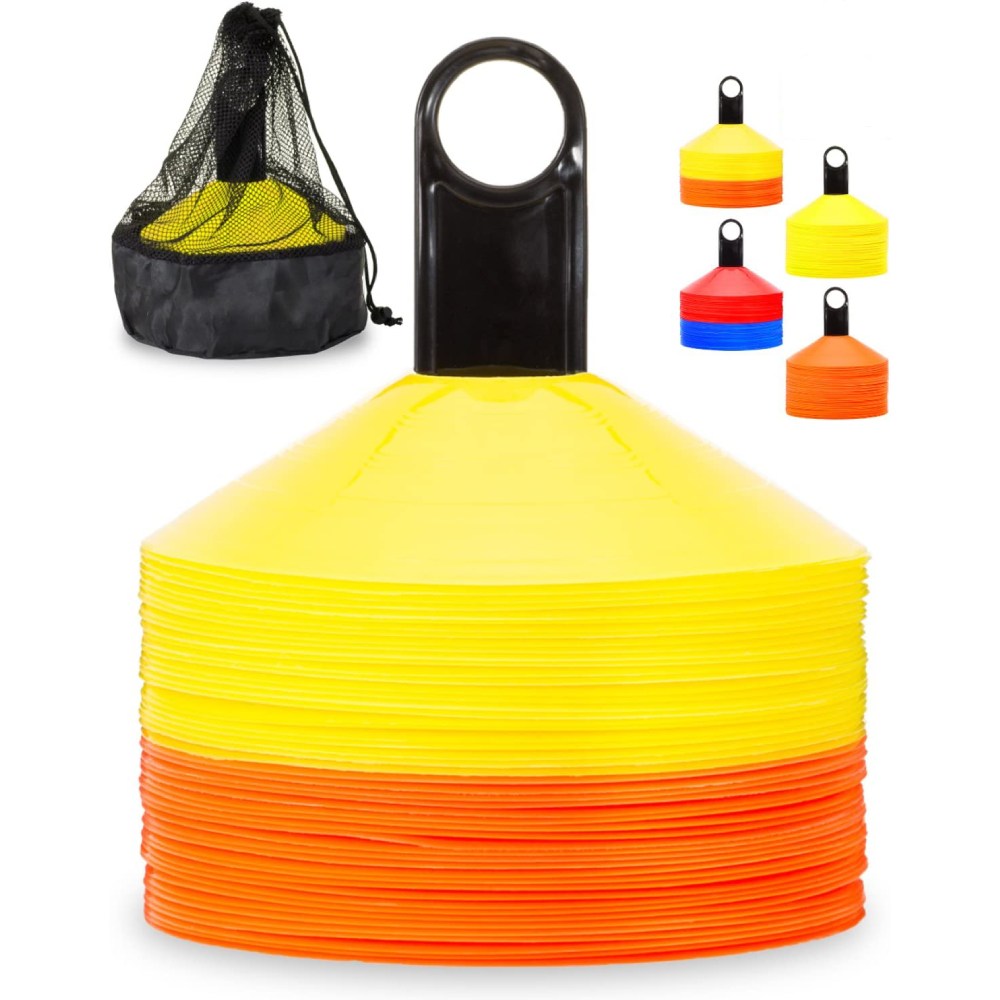
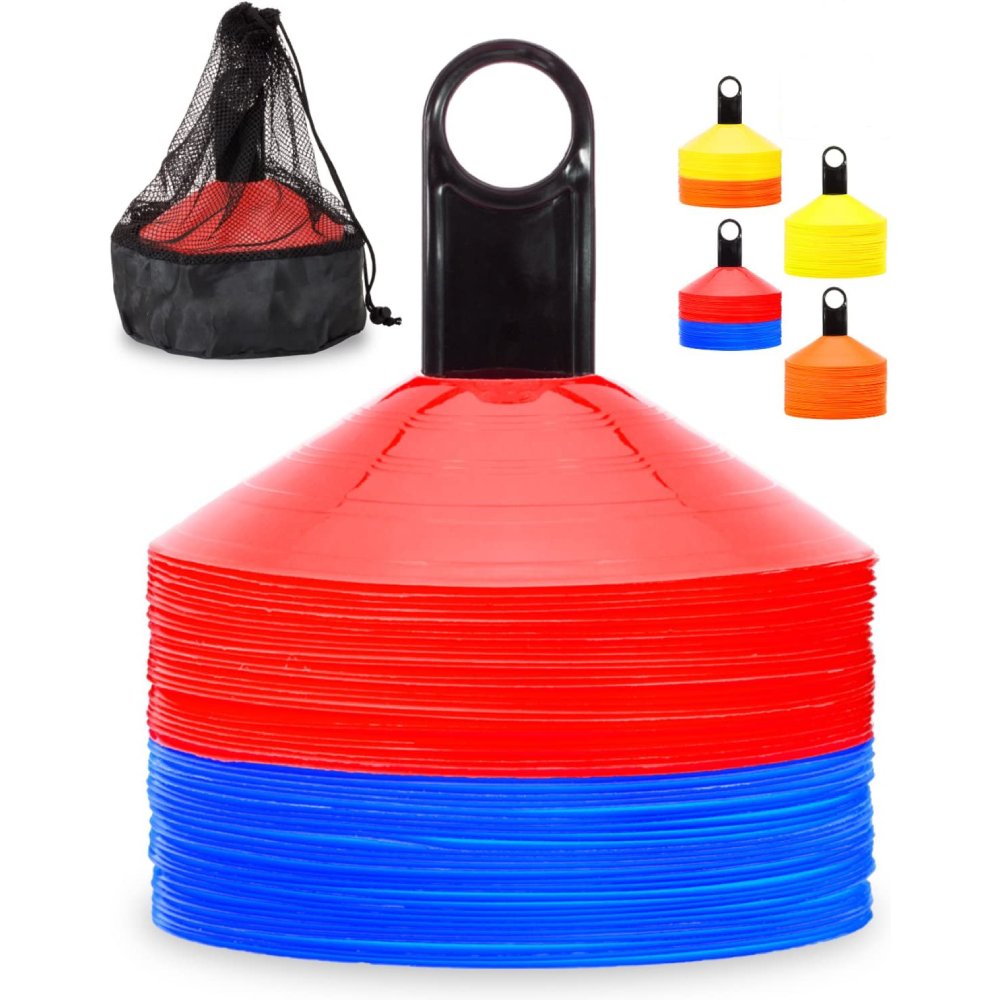
Durable set of x50 cones that come with easy carry caddy

Original price was: €69.€49Current price is: €49.
FREE FAST DELIVERY ACROSS IRELAND FOR ALL ORDERS €75+ OR MORE - (Save €25)
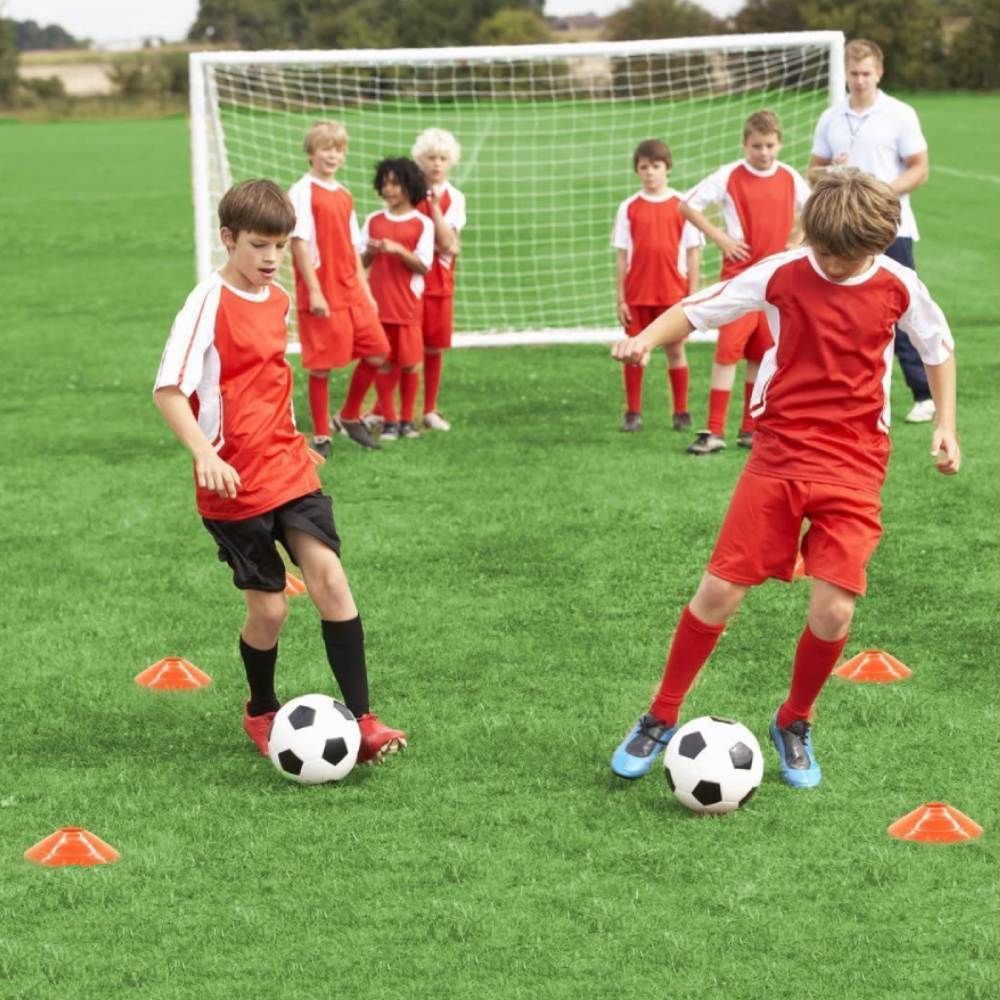
These Training Cones work well as zone markers, field markings, field coaching, general drills and more.
Product Description
- Item Dimensions LxWxH: 10.16 x 17.78 x 22.86 cm
- Item Weight: 0.86 kg
- Sports Type: Coaching, Training, Drills, Markings
What’s Included in the Set?
- 50 Pro Agility Disc Cones
- Durable Plastic Cone Caddy
- Mesh Drawstring Sport Carry Bag

DUE TO CURRENT DEMAND PLEASE ALLOW 5-7 DAYS DELIVERY
Direct To Your Door - All Across Ireland
Original price was: €69.€49Current price is: €49.

For any questions regarding our products or for assistance with your order, please email and you will receive a response within 1 business day. Or use our customer website AI Bot for instant assistance
Email: theteam@customersupport.care
Delivery time varies by location.
Ireland 5-7 days * (This doesn’t include our 24-48 hour order handling & processing time)
You will receive an email with a tracking number once your order is shipped. For logistical reasons, items in the same purchase may be sent in separate packages.
Our products can be returned within 15 days of the original purchase of the product.
A non-refundable dollar amount of $39 per order (which covers the initial product packing & handling fee) is applicable and items must be shipped back to the original warehouse your package was sent from (at the cost of the purchaser) if the purchaser is returning for the following reasons:
- Better price found
- Changed mind
- Doesn’t fit
- No longer needed
- Ordered wrong item
- Your refund will be processed 24-48 hours after receipt of the returned item
Refunds may be held in credit against your account for future purchases if requested or directly refunded via the original mode of payment (ie your credit card or Paypal account)
You can return your product anytime within 15 days for an exchange or refund (not including the product handling & shipping fee) subject to the following conditions.
To be eligible for a return, please ensure:
- The product was purchased within the last 15 days.
- The product is in its original packaging.
- You have the receipt, order confirmation or proof of purchase from this website
- We are unable to accept returns of purchases made from third-party retailers.
Products that do not meet these criteria will not be considered for return.


These training cones help you become more adept at marking off boundaries for sports-specific drills, games, and scrimmages as well as accelerating, decelerating, and changing directions swiftly. Obstacle courses can be built for RC cars, children, races, bikes, drones, pets, and motorcyclists. These cones can be used in a variety of ways.
INCREASE THE EFFICACY OF YOUR TRAINING
Put an end to your struggle with the strewn piles of faded, cracked cones. It should not be challenging. Our bright training cones stand out and are safe to walk on. Put them back in the bag stacked when you are done using them for the day for simple transport and storage.
INCREASE SPEED & AGILITY DEVELOPMENT FOR EVERY ATHLETE
Slow players lose out in every sport and at every age. You need efficient tools like training cones if you’re serious about performance and if you want to put up your best effort. Avoid making training more difficult than it already is.


-
Is my personal information secure?
Yes, we use industry-standard encryption and secure payment gateways to protect your information.
-
How do I start a return?
Visit our Returns Center https://gutterguards.net.nz/terms-conditions/returns-policy or contact customer support to initiate the process.
-
I HAVEN'T RECEIVED MY ORDER YET! IS IT LOST?
If you have any concerns with your order, please contact our support team by email and they will be glad to assist you. Most emails are answered within 1 business day.
Support Team: theteam@customersupport.care
-
How can I track my order?
Once your order ships, you’ll receive a confirmation email with a tracking link.
-
How do I place an order?
Simply browse our products, add items to your cart, and proceed to checkout. Follow the prompts to enter shipping details and payment information.
-
What is your return policy?
We offer a 15-day return window on most items. Products must be unused and in original packaging.
-
DO YOU HAVE A SHOP LOCATION?
We are a “online supplier”, with no physical shop or premises. In this way, we are able to pass our considerable savings directly to you.
-
Do I need an account to place an order?
No, you can checkout as a guest. However, creating an account allows for faster checkout and order tracking.
-
When will I receive my refund?
Refunds are processed within 24-48 hours after the returned item is received and inspected.
-
DO I GET A RECEIPT FOR MY ORDER?
You will be sent a receipt for your order by email after payment is made. You will also receive a confirmation email with a tracking number once your item has been shipped.
-
Can I modify or cancel my order after it's placed?
Orders can only be modified or canceled within 1 hour of placement. Please contact our support team as soon as possible.
-
How can I contact customer support?
You can reach us via email at theteam@customersupport.care or through our AI chat.
-
WHICH PAYMENT METHODS ARE ACCEPTED?
We currently only accept credit card payments, PayPal & Crypto currency. More payment methods will be added in the future.
-
WHAT ARE YOUR DELIVERY OPTIONS AND HOW LONG WILL IT TAKE?
- IRELAND: Free delivery, 5-7 days
- Other countries: Free delivery, 7-10 days
OUR DELIVERY PARTNERS

-
WHAT CURRENCY ARE THE PRICES DISPLAYED IN?
All of our prices are displayed in €EUR- Euro Dollars
-
HOW DO I KNOW IF MY ORDER HAS BEEN SHIPPED?
Once your order is shipped, it will be marked as complete in our database and you will receive a confirmation email with a tracking number.
-
Can Training Cones support technical skill development?
Yes, they’re widely used for drills focused on control, positioning, timing and movement quality. Training Cones help break skills into repeatable patterns, allowing athletes to improve technique through clear, focused practice.
-
Can Small Sports Cones be used for multi-sport training?
Absolutely. Small Sports Cones suit football, athletics, tennis, rugby and fitness training alike. Their versatility makes them a smart choice for schools, clubs and coaches who need dependable markers for different drills across multiple sports.
-
Why are Small Sports Cones ideal for PE lessons?
They help teachers create activity zones quickly, which is valuable when working with groups of 20, 30 or more pupils. Small Sports Cones support better organisation, smoother transitions and more active participation during lessons.
-
What makes Small Sports Cones a smart coaching essential?
They’re one of the most versatile tools in sport, supporting warm-ups, skill drills, conditioning and game-based practice. Small Sports Cones offer simple setup and wide training value, making them a dependable coaching staple.
-
Do Training Cones help with reaction and coordination?
Yes, they’re excellent for drills that involve sudden movement, direction changes and decision-making. Training Cones support reaction speed, coordination and balance, helping athletes sharpen both physical control and responsiveness during training.
-
Why are Small Sports Cones good for quick session setup?
They allow coaches to build grids, channels and markers in moments, which is ideal for busy training schedules. Small Sports Cones save setup time and help maximise the minutes available for actual coaching and practice.
-
Can Small Training Cones be used indoors and outdoors?
Yes, they work well in sports halls, courts, playgrounds and on grass training areas. Small Training Cones give coaches one flexible solution for different environments, making them a reliable addition to any training kit.
-
How do Training Cones help organise team sessions?
They divide space into stations, channels and zones, helping coaches manage several activities at once. Training Cones reduce downtime, improve group control and allow more reps, touches and movement throughout the session.
-
Are Small Training Cones good for beginner athletes?
Absolutely. They make drills easier to understand by clearly showing where to move, stop or turn. Small Training Cones help beginners build confidence, improve technique and learn key movement skills more quickly.
-
Do Training Cones work for personal fitness sessions?
Yes, they’re brilliant for solo training, including sprints, HIIT, mobility work and footwork practice. Training Cones add structure and purpose to workouts, helping you stay focused while making sessions more varied and measurable.
-
Can Small Training Cones improve session efficiency?
Yes, because they make drill areas clear and easy to adjust. Small Training Cones reduce setup time, allowing more of the session to be spent on coaching, movement and repetition rather than rearranging equipment.
-
Are Training Cones good for speed and agility practice?
Yes, Training Cones are widely used to map sprint lanes, turning points and acceleration zones. They help coaches set up varied layouts quickly, making speed and agility sessions more efficient, focused and easier for athletes to follow.
-
Why use Small Sports Cones instead of improvised markers?
Purpose-made markers offer clearer visibility and a more professional setup than random objects. Small Sports Cones improve drill understanding, reduce confusion and help every session run more smoothly with better structure and consistency.
-
How do Small Training Cones help with spatial awareness?
They define space clearly, helping players judge angles, distance and positioning more effectively. Small Training Cones are especially useful in team sports, where reading space well can improve timing, movement and decision-making.
-
Do Small Sports Cones help with change-of-direction training?
Yes, they create precise markers for cutting, turning and re-accelerating. Small Sports Cones are excellent for drills that develop quick directional changes, which are vital in many sports and movement-based training routines.
-
Are Training Cones useful for dribbling practice?
Absolutely. They create routes, gates and tight spaces for close-control work, helping players improve turns, balance and ball movement. Training Cones also make it easy to progress drills by changing layouts and patterns.
-
Why are Small Training Cones popular with coaches?
Coaches value them for their simplicity, versatility and quick setup. Small Training Cones help define spaces, organise groups and support high-tempo sessions, making practice feel more structured, professional and easy to manage from start to finish.
-
Are Small Training Cones suitable for warm-ups?
Yes, they’re ideal for dynamic warm-ups, activation work and movement preparation. Small Training Cones help coaches build simple layouts that keep players moving efficiently before the main session begins, improving flow and readiness.
-
Why do schools and clubs buy Small Sports Cones?
They’re a practical choice for PE, team training and fitness sessions across different age groups. Small Sports Cones help deliver structured, repeatable practice and are useful in everything from warm-ups to competitive drill work.
-
Can Training Cones be used for circuit training?
Yes, they’re ideal for creating station-based layouts with obvious start and finish points. Training Cones help guide movement between exercises, keeping participants organised and making circuit sessions easier to coach and follow.
-
How can Training Cones make drills more engaging?
They turn simple movements into targeted challenges by adding zones, routes, gates and competitive formats. Training Cones help keep players switched on, encourage repeat effort and add variety to regular practice.
-
Are Small Sports Cones effective for shuttle runs?
Definitely. They provide precise turning markers that support acceleration, deceleration and quick changes of direction. Small Sports Cones are ideal for high-intensity shuttle formats where consistency and clear visual targets are important.
-
How do Small Training Cones add value to regular practice?
They bring structure, flexibility and variety to everyday sessions. Small Training Cones help coaches refresh drill layouts, create new challenges and deliver more purposeful training without overcomplicating the equipment needed.
-
What makes Small Sports Cones useful for junior coaching?
They make activities easier to understand by creating clear targets, safe boundaries and simple drill areas. Small Sports Cones help younger players stay focused, improve participation and enjoy sessions that feel organised and easy to follow.
-
How do Small Training Cones improve footwork sessions?
They create sharp visual cues that promote quicker steps, cleaner patterns and better coordination. Small Training Cones are excellent for tight movement grids, ladder-style alternatives and repetitive footwork routines where accuracy is essential.
-
What drills can you set up with Small Training Cones?
They can be used for sprint lanes, zig-zags, reaction grids, dribbling routes, box drills and fitness circuits. Small Training Cones give coaches countless setup options for building skill, movement and conditioning sessions with ease.
-
How can Training Cones support conditioning drills?
They’re perfect for marking turning points, lanes and interval stations in conditioning work. Training Cones help create repeatable formats for shuttle runs and circuits, making sessions easier to manage and more engaging for athletes.
-
Why choose Small Sports Cones for drills?
Small Sports Cones provide clear visual markers without interrupting movement. Their low-profile design suits fast-paced practice, making them perfect for shuttle runs, turning drills and repeat training exercises where precision and flow matter.
-
What are Training Cones used for?
Training Cones help organise drills, mark lanes, create boundaries and guide movement patterns in sport and PE. They’re ideal for agility, speed, footwork and reaction work, giving coaches a fast, clear way to structure productive training sessions.
-
What are the benefits of using Small Training Cones in group drills?
They separate players into lanes, pods and stations, helping everyone stay active and reducing confusion. Small Training Cones make it easier to manage larger groups while keeping sessions structured and efficient.
Training Cones: The Complete Guide to Small Sports Cones and How Small Training Cones Transform Athletic Development
They are among the simplest pieces of equipment in sport, yet training cones appear at every level of athletic competition from grassroots youth sessions to elite professional training grounds. No batteries, no moving parts, no instruction manual required. Just bright plastic markers placed on the ground that tell athletes where to run, when to turn, and how far to push. Their simplicity is exactly what makes them so powerful.
Small sports cones are the backbone of agility, speed, and coordination training across virtually every field and court sport on the planet. Whether you are a coach building structured sessions for a squad of thirty or a solo athlete sharpening footwork in a park, small training cones provide the visual reference points that give shape and purpose to physical work. This guide covers everything you need to know about selecting, using, and getting maximum value from training cones in any sporting context.
Why Training Cones Are Essential Athletic Equipment
Walk onto any organised training session at any level and you will see training cones. Football, rugby, hockey, basketball, tennis, athletics, cricket, and countless other sports rely on small sports cones to define boundaries, mark drill patterns, create obstacles, and provide targets. The question is not whether you need them but rather which type of small training cones best suits your requirements and how to use them most effectively.
The value of training cones lies in their ability to impose structure on open space. Without markers, athletes running drills have only vague reference points for where to change direction, how far to sprint, or where to position themselves. Small sports cones turn an empty field into a precision training environment where every movement has a defined start point, endpoint, and pathway. That structure creates the repetition and specificity that builds genuine athletic skill.
Versatility Across Every Sport
One of the most remarkable qualities of small training cones is their universal applicability. A football coach uses training cones to set up passing triangles and dribbling channels. A tennis coach arranges small sports cones on the court to define movement patterns for approach shots. A track and field coach marks acceleration zones with small training cones for sprint work. A personal trainer creates circuit stations in a park using the same equipment.
This versatility means that a single set of training cones serves athletes across multiple sports and training contexts. Unlike sport-specific equipment that only works for one activity, small sports cones adapt to whatever the session demands. They are as useful for a structured team training session as they are for a solo agility workout, making small training cones one of the highest-value purchases any athlete or coach can make.
Types of Training Cones and When to Use Each
Not all training cones are the same. Different shapes, sizes, and designs serve different purposes, and understanding these differences helps you choose small sports cones that match your specific training needs.
Disc Cones (Saucer Cones)
Disc cones, also called saucer cones or flat cones, are the most widely used small training cones in modern coaching. They are low-profile markers, typically standing only two to five centimetres high, with a wide, flat base that sits flush against the ground. Their low height means athletes can run directly over them without tripping, making them the safest option for drills that involve rapid changes of direction at close quarters.
Disc-style training cones are the default choice for agility ladders, tight dribbling courses, small-sided game boundaries, and any drill where the cone serves as a ground marker rather than a vertical obstacle. Their flat profile also makes them highly portable. A set of fifty small sports cones stacks into a compact column that fits easily into a kit bag or backpack. For sheer practicality and frequency of use, disc cones are the small training cones that every coach and athlete should own.
Standard Dome Cones
Dome cones are slightly taller than disc cones, typically standing between seven and twelve centimetres. Their rounded shape gives them greater visibility from a distance while still being low enough to step over during dynamic drills. These training cones work well for marking wider boundaries, defining channel edges for running drills, and creating visual targets for passing accuracy work.
The added height of dome-style small sports cones makes them easier to see in outdoor environments where grass length, shadow, or distance might obscure flatter markers. They are a popular choice for field sports where drill areas cover larger distances and athletes need to identify cone positions while moving at speed. Many coaches carry both disc and dome small training cones, using discs for close-quarters agility work and domes for broader field setup.
Tall Cones and Pylons
Tall cones and pylons stand 20 centimetres or higher and serve a different function from small sports cones. They act as vertical obstacles that athletes must weave around, hurdle, or navigate without knocking over. While they fall outside the strict definition of small training cones, they complement a set of disc or dome cones by adding a vertical dimension to drills that flat markers cannot provide.
Slalom dribbling through a line of tall cones develops close ball control and body positioning. Lateral shuffles around tall training cones build hip mobility and change-of-direction power. Using a combination of tall cones and small sports cones within the same drill creates complexity that challenges coordination and spatial awareness simultaneously.
Combining Different Cone Types for Complex Drills
The most effective training sessions often use multiple types of training cones within a single drill. A common example is a sprint and agility circuit where disc cones mark the start and finish lines, dome cones define a lateral shuffle zone in the middle, and tall cones create a weaving section at the end. This combination of small training cones and taller markers engages different movement patterns in rapid succession, replicating the varied physical demands of competitive sport.
Colour-coding further enhances multi-cone drills. Using red small sports cones for one instruction and yellow for another allows coaches to layer decision-making onto physical work. An athlete sprinting toward a set of mixed-colour training cones might cut left at red and right at yellow, adding a cognitive processing element that mirrors the real-time decisions athletes make during matches.
What to Look for When Buying Small Sports Cones
The market for training cones is broad, and quality varies more than you might expect for such a simple product. Knowing what to evaluate helps you select small training cones that withstand regular use and perform reliably across all conditions.
Material Quality and Durability
Quality training cones are made from flexible, high-density polyethylene or similar plastics that bend under foot pressure and return to their original shape without cracking. This flexibility is essential because small sports cones will inevitably be stepped on, kicked, and driven over during the course of normal use. Rigid, brittle plastics crack and split when compressed, leaving sharp edges that can injure athletes and rendering the small training cones useless after just a few sessions.
Test the flexibility of training cones by pressing the top down toward the base. Quality cones compress flat and spring back immediately. Inferior small sports cones resist bending and may develop white stress marks or fractures when flexed. The best small training cones endure thousands of impacts across seasons of use without losing their shape or developing structural weakness.
Visibility and Colour Options
High visibility is a non-negotiable quality for training cones. Athletes need to see their markers clearly at a glance while moving at speed, which means bright, saturated colours that stand out against grass, turf, tarmac, and indoor court surfaces. Orange, yellow, lime green, and bright blue are the most popular colours for small sports cones because they contrast effectively with the most common playing surface colours.
Multi-colour sets of small training cones offer significant coaching advantages. Colour-coded drills communicate instructions visually, reducing the need for verbal explanation and allowing sessions to flow more efficiently. A coach can say “sprint to the red cone, shuffle to the yellow, backpedal to the blue” and the athletes immediately understand the route. This visual communication becomes even more valuable when coaching large groups or working in noisy environments.
Stackability and Portability
Practical considerations matter when you are carrying training cones to sessions regularly. Quality small sports cones stack neatly into compact columns that are easy to carry, store, and transport. Many small training cones are sold with a carrying pole or clip that threads through the centre of the stack, keeping the cones organised and preventing them from scattering in your bag.
Weight is another factor. Training cones need to be light enough to carry in large quantities but heavy enough to stay in position on a windy day. Most quality small sports cones strike this balance well, though on particularly gusty days you may want to consider small training cones with weighted bases or perforated designs that allow wind to pass through rather than catching the cone like a sail.
Wind Resistance and Outdoor Performance
Wind is the nemesis of lightweight training cones. Small sports cones that blow away during a session disrupt drills, waste time, and frustrate coaches and athletes alike. Several design features address this issue. Perforated or vented cone designs reduce wind resistance by allowing air to flow through the body of the cone. Heavier base edges lower the centre of gravity, making the small training cones more stable against gusts. Rubber-edged bases grip surface textures more effectively than smooth plastic.
If your training environment is regularly exposed to wind, prioritise these stability features when selecting training cones. Indoor athletes and those working on sheltered pitches can opt for standard lightweight small sports cones without concern for wind performance.
Training Drills That Use Small Training Cones Effectively
Owning training cones is only valuable if you know how to use them. The following drill categories illustrate the range of physical qualities that small sports cones can develop when applied with purpose and creativity.
Agility and Change of Direction Drills
Agility is the ability to change direction quickly while maintaining balance and body control. Training cones are the primary tool for developing this quality because they define the points where direction changes occur, allowing athletes to practise precise movements at increasing speeds.
A basic T-drill uses four small training cones arranged in a T shape. The athlete sprints forward to the centre cone, shuffles left to one cone, shuffles right past the centre to the far cone, shuffles back to the centre, and backpedals to the start. This drill develops forward, lateral, and backward movement in a single sequence, with the small sports cones providing exact markers for each transition point.
Pro agility shuttles, Illinois agility runs, and 5-10-5 drills are all classic training formats built entirely around training cones. Each drill targets specific movement patterns and energy systems, and the cone layout can be adjusted to increase or decrease difficulty as athletes improve.
Speed and Acceleration Work
Training cones serve as visual markers for sprint intervals, acceleration zones, and deceleration drills. Placing small sports cones at five-metre intervals along a straight line creates a measured track for timed sprints and progressive acceleration work. Athletes can focus on reaching maximum speed by a specific cone, holding that speed through a marked zone, and decelerating to a stop at a designated point.
Fly sprints, where the athlete builds speed through an acceleration zone before entering a timed section, use small training cones to mark the transition points clearly. Coaches standing at different cone positions can observe running mechanics at various stages of the sprint, providing targeted feedback that improves efficiency and speed development over time.
Dribbling and Ball Control Exercises
For ball sports, training cones create the obstacles and channels that develop close control under pressure. Slalom dribbling through a line of small sports cones builds the ability to change direction with the ball at speed. Tight gate drills using pairs of small training cones placed close together force precise ball manipulation through narrow spaces. Square and diamond cone patterns develop multi-directional dribbling that mirrors the demands of match play.
The spacing between training cones can be adjusted to match the skill level of the players. Wider spacing with small sports cones allows developing players to maintain control while learning patterns. Tighter spacing challenges advanced players to execute the same movements in less space and at higher speed, pushing their technical limits and building the close control that separates elite ball handlers from the rest.
Fitness and Conditioning Circuits
Training cones are the structural foundation of circuit-based conditioning sessions. Placing small training cones at intervals around a circuit defines stations for different exercises, whether those are bodyweight movements, sprint intervals, agility tasks, or sport-specific skill work. Athletes rotate between cone-marked stations on a timed basis, creating a high-intensity, structured workout that targets multiple fitness components within a single session.
Tabata intervals, HIIT circuits, and sport-specific conditioning blocks all use small sports cones to organise space and direct athlete movement. The visual clarity of brightly coloured training cones eliminates confusion during high-fatigue moments when verbal instructions may not be processed quickly, keeping sessions flowing efficiently even when athletes are working at maximum effort.
Defensive Positioning and Tactical Awareness
Coaches use small training cones to represent opponents, zones, or tactical positions during team training. Placing training cones where opposing players might stand during set pieces allows teams to rehearse defensive shape and movement patterns without needing actual opposition. Small sports cones marking zones on the pitch help players understand spacing, pressing triggers, and positional responsibilities within a tactical system.
This application of small training cones extends beyond field sports. Basketball coaches mark defensive slides and close-out positions. Tennis coaches define recovery zones after approach shots. Volleyball coaches mark blocking assignments and service receive positions. In every case, the training cones provide consistent spatial references that help athletes internalise the positioning requirements of their sport.
Caring for Your Training Cones
Training cones are low-maintenance equipment, but a few simple habits extend their lifespan and keep them performing consistently across seasons of use.
Cleaning and Storage
After outdoor sessions, small sports cones accumulate mud, grass, and moisture. A quick rinse with water and a wipe down before storage prevents dirt from building up and staining the plastic. Allow small training cones to dry before stacking them for storage, as trapped moisture between stacked cones can promote mould growth in closed bags or containers.
Store training cones away from direct sunlight when not in use. Prolonged UV exposure fades colours and degrades plastic over time, reducing both the visibility and structural integrity of your small sports cones. A kit bag stored in a garage, shed, or equipment room provides adequate protection between sessions.
Inspecting for Damage
Periodically check your training cones for cracks, splits, or permanent deformation that could affect their function or create sharp edges. Small sports cones that have been driven over by vehicles, crushed under heavy equipment, or repeatedly used in extreme temperatures may develop damage that warrants replacement. A cracked small training cone with a sharp edge poses a cut risk to athletes who step on it during drills and should be removed from use immediately.
Training Cones for Different Environments
The surface you train on influences which type of small sports cones perform best. Understanding these environmental factors helps you choose small training cones optimised for your most common training setting.
Grass and Natural Turf
On grass surfaces, training cones need enough weight and base grip to stay in position when brushed by running feet. Disc cones with a slightly raised edge grip into grass effectively, while very flat, smooth-based small sports cones may slide when contact occurs. Bright colours are especially important on grass, as longer turf can partially obscure low-profile small training cones and reduce visibility from distance.
Artificial Turf and Indoor Courts
Artificial turf and indoor court surfaces provide a consistent, flat platform where training cones sit securely with minimal concern about stability. The smooth surface does mean that small sports cones can slide further when kicked, so choose small training cones with textured or rubber-edged bases that grip the surface rather than skating across it. On indoor courts, ensure your training cones do not mark or scuff the floor surface, as some cheaper plastics leave coloured residue on polished floors.
Hard Surfaces: Concrete, Asphalt, and Tarmac
Outdoor hard surfaces are the most demanding environment for small sports cones. The abrasive texture of concrete and asphalt wears down cone edges faster than grass or turf, while the hard surface offers no give when cones are stepped on. Choose training cones made from the most flexible, durable plastic available for hard surface use, and expect a slightly shorter lifespan than you would achieve on softer surfaces. The upside is that small training cones sit extremely securely on hard surfaces with virtually no risk of movement from wind or contact.
How Many Training Cones Do You Actually Need
The number of small sports cones you need depends on the size of your training group, the complexity of your drills, and how many activities you want to run simultaneously.
Individual Athletes
A solo athlete can run a comprehensive training session with as few as ten to fifteen small training cones. This quantity covers basic agility drills, sprint markers, and simple conditioning circuits. Twenty to thirty training cones provide enough flexibility to set up multiple drills without repositioning cones between exercises, keeping the session flowing efficiently.
Coaches and Team Sessions
Coaches running sessions for squads of fifteen or more players should aim for a minimum of fifty small sports cones, with a hundred being a more practical quantity for complex sessions with multiple simultaneous activities. Large numbers of small training cones allow coaches to set up several drill stations at once, rotate groups efficiently, and create detailed tactical exercises that require extensive field marking. Having more training cones than you think you need is always better than running short mid-session and having to improvise.
Frequently Asked Questions About Small Sports Cones
What size training cones are best for agility drills?
Disc cones standing two to five centimetres high are the best small training cones for agility work. Their low profile allows athletes to run over them safely during rapid changes of direction, and their wide base keeps them stable on the ground. For drills requiring greater visibility or vertical obstacles, supplement your disc cones with dome cones or taller markers.
How do I stop my small sports cones from blowing away?
Choose training cones with perforated designs, weighted bases, or rubber-edged bottoms that resist wind. On particularly gusty days, placing a small weight inside hollow cones or pushing the edges slightly into soft ground helps anchor small training cones in position. Disc cones generally resist wind better than taller cone styles due to their low profile.
Can I use training cones on any surface?
Yes. Quality small sports cones work on grass, artificial turf, indoor courts, concrete, asphalt, and sand. The performance characteristics vary slightly between surfaces, but a well-made set of small training cones functions effectively in any environment. Choose cones with textured bases for the best grip across multiple surface types.
How long do small training cones last?
Quality training cones made from flexible, UV-resistant polyethylene last for several years of regular use. The most common causes of cone failure are cracking from extreme cold, fading from prolonged sun exposure, and physical damage from being driven over or crushed. Proper storage and periodic inspection keep your small sports cones in service for as long as possible.
Final Thoughts on Investing in Quality Training Cones
Training cones may be the most humble piece of equipment in any athlete’s collection, but their contribution to structured, purposeful training is unmatched. A set of quality small sports cones turns any open space into a precision training environment where speed, agility, coordination, and tactical awareness can all be developed with focus and intention.
Choose small training cones that are flexible, visible, portable, and matched to your primary training surface. Build a collection large enough to support your typical session complexity, and take care of your cones with the simple habits that extend their useful life. When your training cones are set and the session begins, every sprint, every cut, and every drill has a defined purpose that moves your game forward. That is the quiet power of the simplest tool in sport.
Only logged in customers who have purchased this product may leave a review.
Reviews
There are no reviews yet.