
Sports Rackets | Racquets | Racket
Discover the perfect racket for your game from our carefully curated collection of sports rackets built for power, precision, & control.
Whether you need a forgiving tennis racquet to sharpen your groundstrokes, a lightweight badminton racket for lightning fast rallies, or a manoeuvrable squash racquet for dominating the court, we carry trusted brands and proven models across every skill level.
Fast delivery direct to your door all across Ireland
-
Sale!
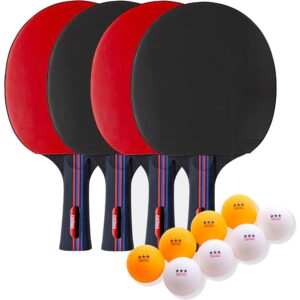
Table Tennis Racket | Table Tennis Paddles | Ping Pong Bat
Original price was: €109.€79Current price is: €79. -
Sale!
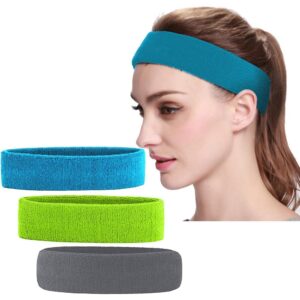
Sports Headbands | Sweat Band | Workout Headbands
Original price was: €29.€19Current price is: €19. -
Sale!
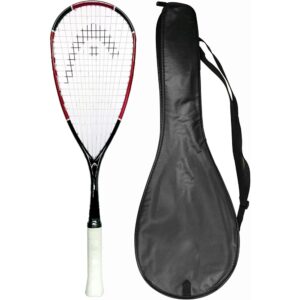
Squash Racket | Squash Sport Racket | Squash Ball Rackets
Original price was: €229.€189Current price is: €189.
-
How do Racquets perform under fast-paced pressure?
High-quality Racquets are built to stay stable during rapid rallies and sudden directional changes. Strong materials and responsive balance help players defend, counter and attack with greater control when the tempo rises.
-
How can the right Racket help you play with more control?
The right Racket supports steadier timing, cleaner contact and more accurate placement. Greater frame stability helps reduce twisting on impact, making rallies easier to manage and attacking shots more precise when pressure builds.
-
Why are Sports Rackets a strong investment in performance?
Sports Rackets support long-term improvement through better handling, response and shot quality. Even small gains in control and swing efficiency can make a noticeable difference across repeated training sessions and competitive matches.
-
Can a modern Racket improve shot consistency?
Yes, a modern Racket can improve consistency by offering a more forgiving hitting zone and steadier frame response. That means fewer mishits, smoother rhythm and more confidence when building rallies or finishing points.
-
How do Racquets help generate cleaner, more efficient shots?
Racquets with aerodynamic frames and responsive materials improve energy return at impact. This helps create sharper, more efficient strokes, allowing players to strike with greater intent while maintaining excellent touch and control.
-
What makes a Racket feel more comfortable during longer sessions?
A comfortable Racket combines vibration reduction, balanced handling and responsive construction. Better shock dampening can soften harsh feedback, helping players stay focused and comfortable through longer training blocks or competitive sessions.
-
Why do so many players choose Racquets for all-round performance?
Racquets are designed to balance speed, feel and forgiveness. Advanced graphite blends improve stability while keeping handling light and responsive. This gives players a smoother swing, sharper reactions and more dependable all-round play.
-
What are the main benefits of using high-quality Racquets?
High-quality Racquets deliver stronger durability, cleaner energy transfer and a more solid feel. Carbon-rich construction can improve frame strength while reducing unwanted vibration, helping players enjoy better feedback and more dependable performance over time.
-
Can a Racket improve the feel of every strike?
Yes, the right Racket can make each strike feel cleaner, more controlled and more connected. Better frame response helps players sense contact more clearly, supporting smarter adjustments and a more satisfying playing experience.
-
What makes Sports Rackets stand out from basic options?
Sports Rackets often feature advanced materials, improved aerodynamics and stronger frame recovery. These upgrades can enhance swing efficiency, reduce unwanted vibration and deliver a more refined, performance-focused feel from the outset.
-
How do Racquets contribute to better touch and feel?
Well-made Racquets provide clearer impact feedback, helping players judge pace and placement more accurately. This improved feel is especially valuable for controlled shots, delicate net play and quick adjustments during demanding rallies.
-
How does a quality Racket support precision placement?
A quality Racket improves directional control and contact feel, making it easier to target open areas with confidence. Stable frame technology helps players place softer shots and deeper drives with greater consistency.
-
What features make Racquets easier to handle?
Easy-handling Racquets often feature balanced weight distribution, low-drag frame shaping and stable construction. Together, these qualities help players swing smoothly, react quickly and stay in control during fast-paced exchanges.
-
What makes Sports Rackets ideal for regular training?
Sports Rackets are designed for repeated use, with durable construction and dependable performance. Stable frame response helps players train more effectively, making drills feel sharper, more productive and better aligned with long-term improvement.
-
What should players look for in reliable Racquets?
Reliable Racquets should offer strong materials, stable handling and effective shock absorption. Carbon fibre blends and reinforced construction improve resilience and feel, making regular training and competitive play more consistent and enjoyable.
-
Can a Racket help reduce mishits?
Yes, a well-engineered Racket can reduce mishits by offering a more forgiving contact zone and steadier frame behaviour. That leads to cleaner strikes, improved control and more reliable shot-making, even when timing is slightly off.
-
Do Sports Rackets help with both attacking and defensive play?
Yes, versatile Sports Rackets support both attacking and defensive styles. Fast handling helps with blocks and recoveries, while responsive frame design allows players to hit with power, depth and greater control when opportunities open up.
-
Are Sports Rackets suitable for beginners and experienced players alike?
Yes, Sports Rackets suit a wide range of abilities because they combine comfort, balance and reliable response. Many are engineered to improve sweet-spot performance, helping players enjoy cleaner shots and greater confidence during practice and match play.
-
Why are Sports Rackets popular with competitive players?
Competitive players value Sports Rackets for their mix of precision, speed and frame stability. High-performance construction helps maintain control during fast rallies, making them a trusted option for serious training and match situations.
-
Why are Sports Rackets important for developing technique?
Sports Rackets help players refine technique by rewarding cleaner timing and smoother mechanics. Consistent frame response supports better shot repetition, which is essential when building dependable skills over weeks and months of practice.
-
How can a Racket help players react with more confidence?
A responsive Racket makes it easier to move from defence to attack in one fluid motion. Faster handling and steadier impact feel support decisive reactions, helping players return, intercept and counter more effectively.
-
How do Sports Rackets support faster reaction times on court?
Sports Rackets are built for quick movement through the air, helping players respond faster in rapid exchanges. Reduced air resistance and balanced construction can make defensive saves, volleys and returns feel smoother and more instinctive.
-
Why do advanced materials matter in Racquets?
Advanced materials in Racquets improve the strength-to-weight ratio, helping frames stay light, strong and responsive. Graphite and carbon fibre can increase stability, reduce excess flex and deliver a more connected feel on contact.
-
Why do players trust Racquets with advanced frame technology?
Players trust these Racquets because engineered frames improve stability, reduce twisting and support cleaner power transfer. The result is more reliable shot-making, especially during quicker, more demanding rallies.
-
What makes Sports Rackets a smart choice for improving your game?
Sports Rackets help improve control, power and consistency. Modern frame technology can reduce drag by up to 20%, allowing quicker swings and cleaner contact. The right choice can build confidence and support better performance from the first hit.
-
What makes Racquets effective for precision and spin control?
Racquets with responsive frames and stable construction help players shape shots with greater intent. Better contact feel supports finer control over angle, pace and rotation, creating more variety and confidence in every exchange.
-
How can a better Racket boost player confidence?
A better Racket delivers more predictable feedback, cleaner response and easier handling. When each swing feels more reliable, players often commit more fully to shots, improving rhythm, decision-making and overall confidence on court.
-
Why is a well-designed Racket important for power and accuracy?
A well-designed Racket helps turn swing speed into controlled power. Aerodynamic shaping supports faster acceleration, while stable frame construction improves shot direction, giving players a stronger blend of pace, placement and confidence.
-
Are Sports Rackets designed for modern playing styles?
Yes, modern Sports Rackets are engineered for speed, precision and versatile shot-making. Many use aerodynamic frame profiles and lightweight composites to match the demands of quicker rallies and more aggressive all-round play.
-
Why choose a high-performance Racket for your next upgrade?
A high-performance Racket can transform the feel, speed and quality of your shots. With stronger stability, smoother aerodynamics and improved responsiveness, it offers a clear step forward in control, confidence and match-ready performance.
Sports Rackets: The Definitive Guide to Choosing the Right Racquets for Every Racket Sport
Few pieces of sporting equipment feel as personal as a racket. It becomes an extension of your arm, translating every decision your brain makes into precise movement on the court or at the table. Whether you spell it racquets or rackets, the principle is the same: the right one elevates your game while the wrong one holds you back in ways you might not even realise until you make a switch.
This guide covers everything you need to know about sports rackets across all major racquet sports. From the materials and construction methods that define modern racket design to the sport-specific details that matter when you are standing in a store or browsing online, you will find practical, honest advice that helps you choose racquets that genuinely serve your game rather than just your ego.
Why the Right Racket Makes a Bigger Difference Than You Expect
Beginners often assume that skill alone determines results and that sports rackets are more or less interchangeable. Experienced players know otherwise. The weight, balance, string tension, grip size, and head shape of your racquet all influence how the ball or shuttlecock responds to every stroke. Two players with identical technique can produce noticeably different results simply because their rackets suit them differently.
This does not mean you need the most advanced or expensive racquet on the market. It means you need the right racket for your body, your playing style, and your current skill level. Understanding what “right” looks like is the purpose of this guide, and it starts with understanding the core elements that all sports rackets share regardless of the specific sport.
The Relationship Between Racket and Technique
Your racquet does not just respond to your technique. It actively shapes it. A heavy racket encourages compact, efficient strokes because the player naturally avoids unnecessary movement. A lighter racquet allows faster swing speeds but can promote loose, wayward technique if the player is not disciplined. Head-heavy rackets generate more power on contact, while head-light models offer quicker manoeuvrability at the net.
These are not abstract differences. They show up in every rally, every serve, and every volley. When your sports rackets match your natural movement patterns, your strokes feel fluid and your confidence grows. When there is a mismatch, you compensate unconsciously, developing habits that become harder to correct the longer they persist. Choosing racquets thoughtfully from the beginning saves time, prevents frustration, and sets you on a better developmental path.
Anatomy of a Racket: Understanding the Key Components
Before diving into sport-specific recommendations, it helps to understand the components that all racquets share. Every racket, regardless of the sport it is designed for, consists of the same fundamental parts, each of which contributes to the overall playing characteristics.
The Frame
The frame is the structural skeleton of any racket. It defines the head shape, the throat design, and the overall stiffness of the racquet. Modern sports rackets use frames made from graphite, carbon fibre composites, aluminium, or combinations of these materials. The frame material and construction directly determine how the racket absorbs vibration, transfers energy to the ball, and withstands the stresses of repeated impact.
Graphite and carbon fibre are the dominant materials in competitive racquets because they offer an exceptional strength-to-weight ratio. These materials allow manufacturers to create rackets that are light enough to swing quickly yet stiff enough to transfer power efficiently. Aluminium frames are more common in entry-level sports rackets where durability and affordability take priority over performance refinement.
The Head
The head of the racquet is the strung area where contact with the ball or shuttlecock occurs. Head size varies between sports and between models within the same sport. Larger heads offer a bigger sweet spot, making the racket more forgiving on off-centre hits. Smaller heads provide greater precision and control but demand more accurate striking.
The shape of the head also matters. Some sports rackets feature a more circular head profile, while others are more oval or teardrop-shaped. Each geometry distributes weight differently and creates a subtly different feel at impact. Understanding how head size and shape influence your racquets is essential for making an informed selection.
The Shaft and Throat
The shaft connects the handle to the head and plays a critical role in how the racket flexes during a stroke. A stiffer shaft transmits more power directly to the ball, while a more flexible shaft absorbs energy and releases it with a slight delay, creating a whip-like effect that can add speed and spin for players who time it well.
The throat is the area where the shaft meets the head. In many racquets, the throat design includes an open or closed configuration that affects the string pattern and the overall stability of the racket on impact. These structural details may seem minor but contribute meaningfully to the feel and performance of your sports rackets.
The Handle and Grip
Grip size is one of the most overlooked aspects of racquet selection, yet it directly affects comfort, control, and injury prevention. A grip that is too small forces you to squeeze the racket tightly, increasing muscle fatigue and raising the risk of strain injuries. A grip that is too large restricts wrist movement, reducing your ability to generate spin and adjust angles during play.
The ideal grip size allows you to hold the racket firmly without excessive tension, with enough room to slide a finger between your fingertips and the base of your palm. Most sports rackets come in multiple grip sizes, and many can be adjusted with overgrips or replacement grips to fine-tune the fit.
How to Measure Your Correct Grip Size
The simplest method for determining your grip size involves holding the racquet in your playing hand with a standard forehand grip. There should be a gap between the tips of your fingers and the fleshy part of your palm roughly equal to the width of your index finger. If the gap is too narrow, the racket grip is too large. If your fingers wrap around and touch your palm, the grip is too small. Getting this measurement right across all your racquets prevents a host of comfort and performance issues down the line.
Sports Rackets for Tennis: Power, Control, and Everything in Between
Tennis rackets are arguably the most analysed and obsessed-over racquets in all of sport. With dozens of brands, hundreds of models, and endless customisation options, choosing a tennis racket can feel overwhelming. Breaking the decision down into key variables makes it manageable.
Head Size Categories in Tennis Racquets
Tennis rackets are broadly categorised by head size. Oversize heads, typically 105 square inches and above, provide maximum forgiveness and power, making them ideal for beginners and recreational players. Midplus heads, ranging from roughly 98 to 104 square inches, offer a balanced blend of power and control favoured by intermediate and advanced club players. Midsize heads under 98 square inches deliver maximum precision for accomplished players who generate their own power through technique.
Choosing the right head size in your tennis racquets is a balancing act between forgiveness and control. Beginners benefit from the larger sweet spot of oversize rackets, while advanced players typically sacrifice some forgiveness for the precision that smaller heads provide.
Weight and Balance in Tennis Rackets
Tennis racquets range from roughly 250 grams to over 340 grams unstrung. Lighter rackets are easier to swing and manoeuvre, especially for players still developing their strength and conditioning. Heavier sports rackets offer more stability on contact and greater power potential for players who can handle the additional mass.
Balance refers to whether the weight is distributed more toward the head, the handle, or evenly across the racket. Head-heavy balance adds power and depth to groundstrokes. Head-light balance improves handling and responsiveness at the net. Even balance provides a compromise that works well for all-court players who do not want to specialise their racquets for one particular aspect of the game.
String Pattern and Its Effect on Play
The string pattern of a tennis racket influences spin potential, power, and string durability. An open pattern, such as 16 main strings by 19 cross strings, allows the strings to move more freely on contact, grabbing the ball and generating greater spin. A dense pattern, such as 18 by 20, provides a more controlled, predictable response with greater string longevity.
String choice itself is another layer of customisation for your sports rackets. Polyester strings offer durability and spin. Natural gut provides unmatched feel and power. Synthetic gut and multifilament strings offer a middle ground between the two. The interplay between string pattern and string material gives tennis players enormous scope to fine-tune their racquets to match their exact preferences.
Badminton Racquets: Speed, Precision, and Lightness
Badminton places unique demands on racket design. The shuttlecock moves at extraordinary speeds, requiring racquets that are light enough for rapid reactions yet rigid enough to transfer power during smashes. Badminton sports rackets typically weigh between 75 and 95 grams, making them the lightest competitive racquets in any major sport.
Flexibility and Shaft Stiffness in Badminton Rackets
The flexibility of a badminton racket shaft is one of the most important selection criteria. Flexible shafts suit beginners and players who use a slower, more deliberate swing. The flex stores energy during the stroke and releases it at impact, helping to generate shuttle speed even without a fast swing. Stiff shafts are preferred by advanced players with quick, powerful strokes because they transfer energy more directly without the slight delay that flex introduces.
Medium-stiff racquets offer a versatile middle ground that works for a wide range of playing levels and styles. If you are uncertain about your preference, starting with a medium-stiff badminton racket gives you room to adapt as your technique develops without being locked into a characteristic that may not suit your evolving game.
Weight Distribution in Badminton Racquets
Like tennis rackets, badminton racquets come in head-heavy, head-light, and even-balance configurations. Head-heavy sports rackets are popular with singles players who rely on powerful smashes from the back of the court. The additional mass in the head generates more momentum through the hitting zone, producing faster shuttle speeds on overhead strokes.
Head-light rackets favour doubles players and those who prioritise fast, reactive play at the net. The lighter head allows quicker racquet preparation and faster exchanges during rapid-fire rallies. Even-balance badminton rackets suit all-round players who want respectable performance in both power and speed without committing entirely to one strength.
Choosing Between 3U, 4U, and 5U Weight Classes
Badminton racquets are categorised by weight using the U system. A 3U racket weighs between 85 and 89 grams and delivers more power due to its heavier mass. A 4U racket falls between 80 and 84 grams, offering a popular balance of power and manoeuvrability. A 5U racket, under 80 grams, maximises speed and handling at the expense of some hitting weight. Most recreational and club players find that 4U sports rackets provide the most comfortable and versatile playing experience.
Squash Rackets: Built for Confined Spaces and Fast Rallies
Squash rackets are designed for a sport played in an enclosed court where the ball can come at you from any angle, including off the back wall. This demands racquets that are exceptionally manoeuvrable in tight spaces while still delivering enough power to drive the ball deep into the court.
Teardrop vs Open Throat Squash Racquets
Squash rackets come in two primary head shapes. Teardrop racquets feature a larger, more rounded head with a bigger sweet spot. They generate more power and are more forgiving on off-centre hits, making them popular choices for beginners and power-oriented players. Open throat rackets have a more traditional shape with a defined throat area, offering greater control and manoeuvrability for players who prefer precision over raw power.
The choice between these two styles of sports rackets comes down to your playing philosophy. If you want to dominate rallies with aggressive drives and nicks, a teardrop racquet gives you the head size and power to do so. If you prefer to construct points with accurate drops, boasts, and working the ball into tight corners, an open throat racket gives you finer control over placement.
Weight Considerations for Squash Rackets
Modern squash racquets typically weigh between 110 and 170 grams. Lighter rackets allow faster swing speeds and quicker reactions during rapid exchanges, which is why the trend in competitive squash has moved steadily toward lighter sports rackets over the past two decades. However, very light rackets can lack the mass needed to generate pace on drives, particularly for players whose technique does not yet produce sufficient racket head speed.
For most club-level players, a squash racket in the 130 to 145 gram range provides a sensible balance. This weight class gives you enough mass to hit with authority while remaining light enough to react quickly during intense rallies. As with other racquet sports, the key is matching the racket to your current ability rather than your aspirations.
Table Tennis Paddles: A Different Kind of Racket
While table tennis paddles are not always grouped with traditional sports rackets, they follow many of the same principles. The blade construction, rubber surface, and overall weight of a table tennis racquet directly determine how much spin, speed, and control you can generate. Players who transition between table tennis and other racket sports often appreciate these parallels.
Blade Speed and Control Ratings
Table tennis blades are rated on speed and control scales that help players match their rackets to their playing level. Slower blades with higher control ratings suit beginners and defensive players who prioritise consistency. Faster blades with lower control ratings serve aggressive attacking players who have developed the timing to manage the increased speed. These ratings function similarly to the weight and balance classifications used in other sports rackets, providing a framework for making informed decisions about your racquets.
Racket Maintenance: Protecting Your Investment in Sports Rackets
Quality racquets represent a meaningful investment, and proper maintenance ensures they perform at their best for as long as possible. The specific care requirements vary by sport, but several principles apply universally across all sports rackets.
String Care and Replacement
Strings are the most perishable component of any strung racket. They lose tension gradually from the moment they are installed, even without being hit. Playing accelerates this process through repeated impact and the friction of string movement. Most competitive players in tennis, badminton, and squash should restring their racquets as many times per year as they play per week. A player who trains three times weekly should aim to restring their sports rackets approximately three times per year as a minimum.
Between restringing, inspect your strings regularly for notching, fraying, or visible wear at the main and cross string intersections. Broken strings should be cut out promptly rather than left in the racket, as uneven tension from missing strings can distort the frame over time.
Frame Protection and Storage
Store your racquets in a proper bag or case that shields them from temperature extremes, moisture, and physical impact. Leaving sports rackets in a hot car, for example, can soften the resin that bonds composite layers together, weakening the frame and altering its playing characteristics. Similarly, excessive cold can make frames more brittle and susceptible to cracking.
Use a head guard or bumper strip if your racket contacts the ground during play, as frame damage from court abrasion is one of the most common causes of premature racquet failure. These inexpensive protective accessories can add months or even years to the life of your sports rackets.
Grip Replacement and Overgrips
Grips wear out faster than any other part of your racket. A worn, smooth grip compromises your hold on the racquet, forcing you to grip tighter and increasing the risk of blisters, fatigue, and strain injuries. Replace your base grip when it becomes noticeably thin or loses its cushioning, and use overgrips to maintain a fresh feel between full replacements.
Overgrips are thin wraps applied over the existing grip to restore tackiness and absorb sweat. They are inexpensive, easy to apply, and should be changed regularly, ideally every few playing sessions for active players. Keeping your sports rackets freshly gripped is one of the simplest and most effective maintenance practices you can adopt.
How to Test Racquets Before Committing to a Purchase
The best way to find your ideal racket is to hit with it before you buy it. Many retailers and clubs offer demo programs that let you borrow or rent racquets for a trial period. Taking advantage of these opportunities is far more reliable than choosing based on specifications alone.
What to Evaluate During a Demo Session
When testing sports rackets, pay attention to how the racquet feels during your natural strokes rather than trying to adjust your game to suit the equipment. Hit your standard shots, serves, volleys, and defensive strokes with each racket. Notice which racquets feel comfortable from the first swing and which require conscious adjustment. The right racquet should feel like a natural extension of your arm, not a foreign object you need to learn.
Evaluate comfort as much as performance. A racket that generates impressive power but sends uncomfortable vibrations through your arm on every contact is not a good long-term choice. Similarly, a racquet that feels beautifully controlled but leaves you struggling for depth or pace may be too slow for your developing game. The ideal sports rackets balance performance, comfort, and confidence in a way that makes you want to keep playing.
Testing Multiple Racquets for Comparison
Never test a single racket in isolation. Always compare at least two or three racquets during the same session so you have reference points. Hit with one for ten or fifteen minutes, switch to another, and then go back to the first. This rotation reveals differences that you might miss if you only try one racquet and rely on memory to compare it against your current equipment. The contrast between different sports rackets sharpens your awareness of what each one does well and where it falls short.
Frequently Asked Questions About Sports Rackets
What is the difference between “racket” and “racquet”?
Both spellings refer to the same piece of equipment. “Racket” is the more common modern spelling and is widely used in tennis, table tennis, and squash. “Racquet” is a traditional spelling still preferred in some circles, particularly in badminton and in certain regions. Both are correct, and you will encounter both spellings when shopping for sports rackets.
How do I know when it is time to replace my racket?
Replace your racquet when you notice cracks in the frame, persistent dead spots in the string bed that do not resolve with restringing, or a general decline in feel and performance that maintenance cannot restore. Most quality sports rackets last several years with proper care, but all frames eventually fatigue from repeated stress and impact.
Can I use the same racket for different sports?
No. Each racquet sport requires equipment specifically designed for its unique ball or shuttlecock, court dimensions, and playing dynamics. Using a tennis racket for squash or a badminton racquet for tennis would be ineffective and potentially dangerous. Always use sports rackets designed for the specific sport you are playing.
Should beginners buy expensive rackets?
Beginners should invest in quality racquets at an appropriate level rather than the most expensive models available. Mid-range sports rackets from reputable brands offer excellent construction and playability without the advanced characteristics that only benefit experienced players. As your skills develop and you better understand your playing style, upgrading to more specialised rackets becomes a worthwhile investment.
Final Thoughts on Finding Your Perfect Racquet
The search for the right sports rackets is a deeply personal journey. What works brilliantly for one player may feel completely wrong for another, even within the same sport and at the same skill level. That individuality is part of what makes racquet sports so engaging. Your racket becomes a reflection of how you play, and finding one that truly fits transforms your experience on the court.
Take your time with the selection process. Test before you buy whenever possible. Prioritise feel and comfort alongside specifications and reviews. And remember that the best racquets are not necessarily the most powerful or the most expensive. They are the ones that make you play your best, enjoy the game more, and look forward to the next time you pick up your racket and step onto the court.